





Teams collaborate across platforms, manage projects through dashboards, and communicate through messaging tools that never stop updating. While this environment makes information accessible, it also introduces an invisible productivity problem that many organizations underestimate.
Every time an employee moves from one task to another, the brain must reset its focus. This process is known as context switching, and it occurs far more frequently in digital workplaces than most companies realize. A notification appears, a colleague asks a question, a document needs to be reviewed, and suddenly attention moves from one system to another.
Individually, these interruptions seem minor. Over the course of a workday, however, they accumulate into a significant loss of focus.
Understanding the Fundamentals
Human attention is not designed to rapidly switch between unrelated tasks. Research from the American Psychological Association suggests that frequent context switching can reduce productivity by as much as 40%. Even more striking, research from the University of California Irvine found that it takes an average of 23 minutes and 15 seconds to regain full focus after an interruption.
In modern workplaces, interruptions rarely come from a single source. Employees constantly move between tools—email, project platforms, communication apps, analytics dashboards, document systems, and more. Each system demands attention and creates a new mental context.
When multiplied across an entire team, these small interruptions can quietly reduce overall productivity.
Key Strategies for Success
Organizations are increasingly recognizing that solving the problem of context switching requires more than simply asking employees to focus harder. Instead, the structure of the digital workspace itself must evolve.
Unified Work Environments
Reducing the number of interfaces employees must navigate helps maintain focus. A single environment that connects systems can significantly reduce interruptions.
Automation of Repetitive Actions
Routine tasks such as retrieving documents, generating summaries, and triggering workflows can be automated so employees spend less time coordinating systems.
Centralized Knowledge Access
When employees can instantly access company knowledge without searching across multiple platforms, the number of interruptions decreases dramatically.
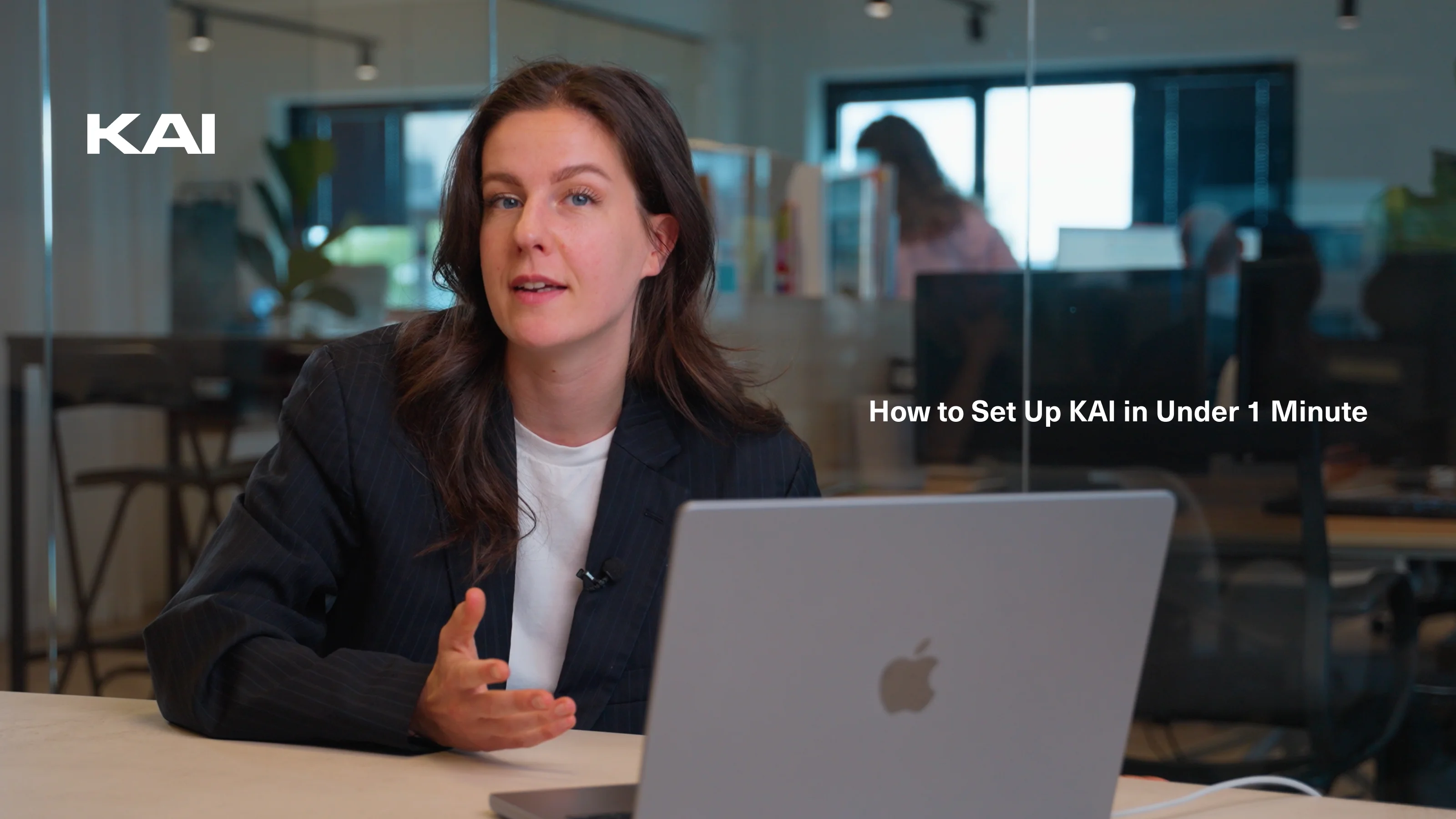
This is the philosophy behind KAI, developed by AI Replies. KAI connects workplace tools and introduces an intelligent layer that reduces the need for employees to switch between systems. Instead of navigating multiple dashboards, teams interact with one unified AI workspace.
Real-World Applications
Consider a typical team meeting. Participants might discuss project updates, review metrics, and assign next steps. In many organizations, someone must later gather information from multiple tools to document the discussion and distribute updates.
With an AI workspace, these tasks can happen automatically. The system summarizes the meeting, retrieves relevant data, and updates the appropriate workflows across connected platforms.
This shift significantly reduces the number of manual actions required to keep work moving.
As interruptions decrease, employees experience longer periods of uninterrupted focus. Teams spend less time managing software and more time making decisions, solving problems, and creating value.
Common Challenges and Solutions
Organizations adopting AI-powered work environments often encounter a few predictable challenges.
Challenge 1: Overreliance on Notifications
Many workplaces depend heavily on constant alerts. Redesigning workflows to reduce unnecessary notifications helps teams maintain focus.
Challenge 2: Fragmented Knowledge Systems
Information scattered across multiple tools increases the need for searching and switching contexts. AI-powered search and knowledge retrieval can consolidate access.
Challenge 3: Cultural Adjustment
Employees may initially rely on familiar workflows. Introducing AI systems gradually allows teams to experience the productivity benefits without disrupting existing processes.
The Future of Focused Work
As companies adopt more digital tools, the need for smarter coordination becomes increasingly important. AI workspaces are emerging as a solution by acting as an intelligent interface between people and the systems they use every day.
By reducing context switching and automating routine coordination, platforms like KAI help organizations create a calmer, more focused work environment.
The goal is not to eliminate technology.
It is to ensure that technology supports focus instead of interrupting it.