





Over the last decade, organizations have adopted tools for almost every task: project management platforms, communication apps, HR systems, analytics dashboards, customer relationship software, and dozens more. Each of these tools promises efficiency and specialization. Individually they work well. Together they often create a fragmented digital environment.
This phenomenon is widely known as SaaS sprawl. The average company now operates dozens of software applications across departments, each with its own interface and data environment. As these tools multiply, employees spend more time navigating systems than performing meaningful work. The challenge is no longer access to software, it is managing the complexity that software introduces.
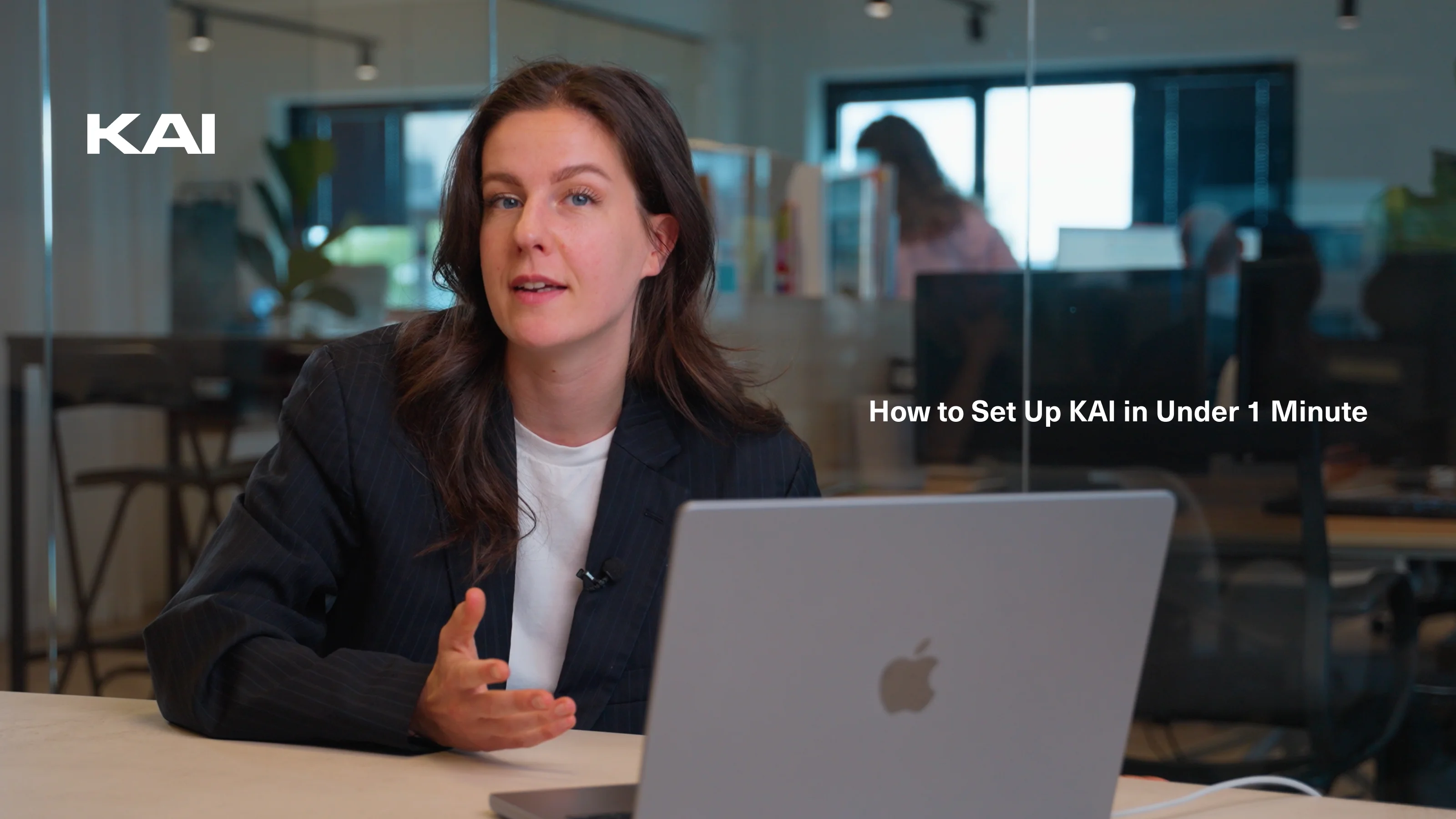
Increasingly, companies are looking toward AI-driven workspaces to solve this problem. Platforms like KAI by AI Replies introduce an intelligent layer between employees and their tools, simplifying how systems interact and allowing teams to focus on outcomes rather than navigation.
Understanding the Fundamentals
Before exploring solutions, it is important to understand why software fragmentation occurs. Most workplace tools are designed to solve a specific problem. Project platforms manage tasks, CRMs track customers, communication tools organize conversations, and document systems store knowledge. While these solutions are valuable individually, they rarely operate as a unified system.
The result is a workplace where information is distributed across many platforms. Employees move constantly between systems in order to complete even simple tasks. A report may require data from a CRM, insights from an analytics dashboard, updates from a project management tool, and supporting files from a document system. Each step introduces friction.
Research consistently shows the cost of this fragmentation. Studies from the American Psychological Association suggest that context switching can reduce productivity by up to 40%. Similarly, research from the University of California Irvine indicates that it can take over 23 minutes to regain focus after an interruption. These interruptions accumulate throughout the day, significantly slowing the pace of work.
In addition, many employees spend a large portion of their time on administrative coordination tasks. According to productivity studies, workers may spend up to 23 hours per week on repetitive micro-tasks such as searching for information, updating records across systems, and coordinating small operational steps.
These challenges illustrate why companies are rethinking the structure of the digital workspace.
Key Strategies for Success
Organizations looking to reduce software complexity are beginning to adopt a different approach to workplace technology. Instead of adding more applications, they introduce systems that connect and coordinate existing tools. AI plays a critical role in this shift.
Unified Interfaces
Rather than navigating multiple dashboards, employees interact with a single environment that understands their request and retrieves information from connected systems.
Automation of Micro-Tasks
AI platforms automate routine actions such as generating summaries, scheduling follow-ups, retrieving documents, or triggering workflows between tools.
Centralized Knowledge Access
A unified workspace enables employees to access company knowledge instantly without needing to locate the correct application or database.
Context Awareness
Modern AI systems understand workflows across departments, allowing them to coordinate tasks more efficiently than traditional software integrations.
KAI was designed with these principles in mind. Developed by AI Replies, the platform acts as a unified AI productivity cockpit, connecting SaaS tools, internal knowledge, and workflows into one intelligent system.
Real-World Applications
In practice, a unified AI workspace changes how work gets done across an organization.
A team member preparing a weekly performance update can ask the system to gather metrics from analytics platforms, summarize project progress, and compile the results into a report. Instead of manually collecting information from multiple tools, the AI coordinates the process automatically.
Similarly, onboarding a new employee often requires actions across HR systems, communication platforms, and internal documentation. With an AI workspace, these steps can be triggered as a coordinated workflow rather than a sequence of manual tasks.
This shift allows teams to focus less on software management and more on decision-making, collaboration, and innovation.
As one productivity researcher summarized:
“Technology works best when it fades into the background, enabling people to focus on meaningful work rather than the mechanics of the system.”
Common Challenges and Solutions
Transitioning to a more unified digital workspace does introduce challenges. Organizations must integrate existing systems, ensure data security, and adapt internal workflows. However, these challenges are typically outweighed by the long-term benefits of reduced complexity.
Challenge 1: Resistance to Change
Employees may initially hesitate to adopt new systems. Clear communication and gradual implementation help teams understand how AI tools support their work rather than replace it.
Challenge 2: System Integration
Connecting multiple SaaS platforms requires careful planning. Platforms like KAI address this by acting as an integration layer rather than replacing existing software.
Challenge 3: Information Governance
Organizations must maintain clear data policies when introducing AI systems. Modern platforms provide auditability and enterprise security controls to ensure responsible use.
The Future of the Unified Workspace
The digital workplace is entering a new phase. Instead of navigating an expanding collection of software interfaces, employees will increasingly interact with intelligent systems that coordinate work on their behalf.
Platforms like KAI represent this shift toward a unified environment where tools, knowledge, and workflows operate as part of a connected ecosystem. By reducing fragmentation and automating routine tasks, AI workspaces allow teams to focus on the work that matters most.
The goal is not simply to introduce new technology.
It is to create a workplace where technology quietly supports productivity, allowing people to think, collaborate, and build without unnecessary friction.