




Collaboration platforms, analytics dashboards, project management systems, customer databases, and document repositories now form the backbone of modern organizations.
Each tool solves a specific problem. Together they create a new one.
The modern workplace is fragmented.
Employees often spend their days navigating software rather than executing meaningful work. Opening applications, switching tabs, searching for documents, and updating records across systems has quietly become a significant part of the workday.
This complexity is one of the reasons a new category of technology is beginning to emerge: the AI productivity cockpit.
Rather than adding yet another tool to the stack, a productivity cockpit acts as a unified interface that connects existing systems and coordinates workflows automatically.
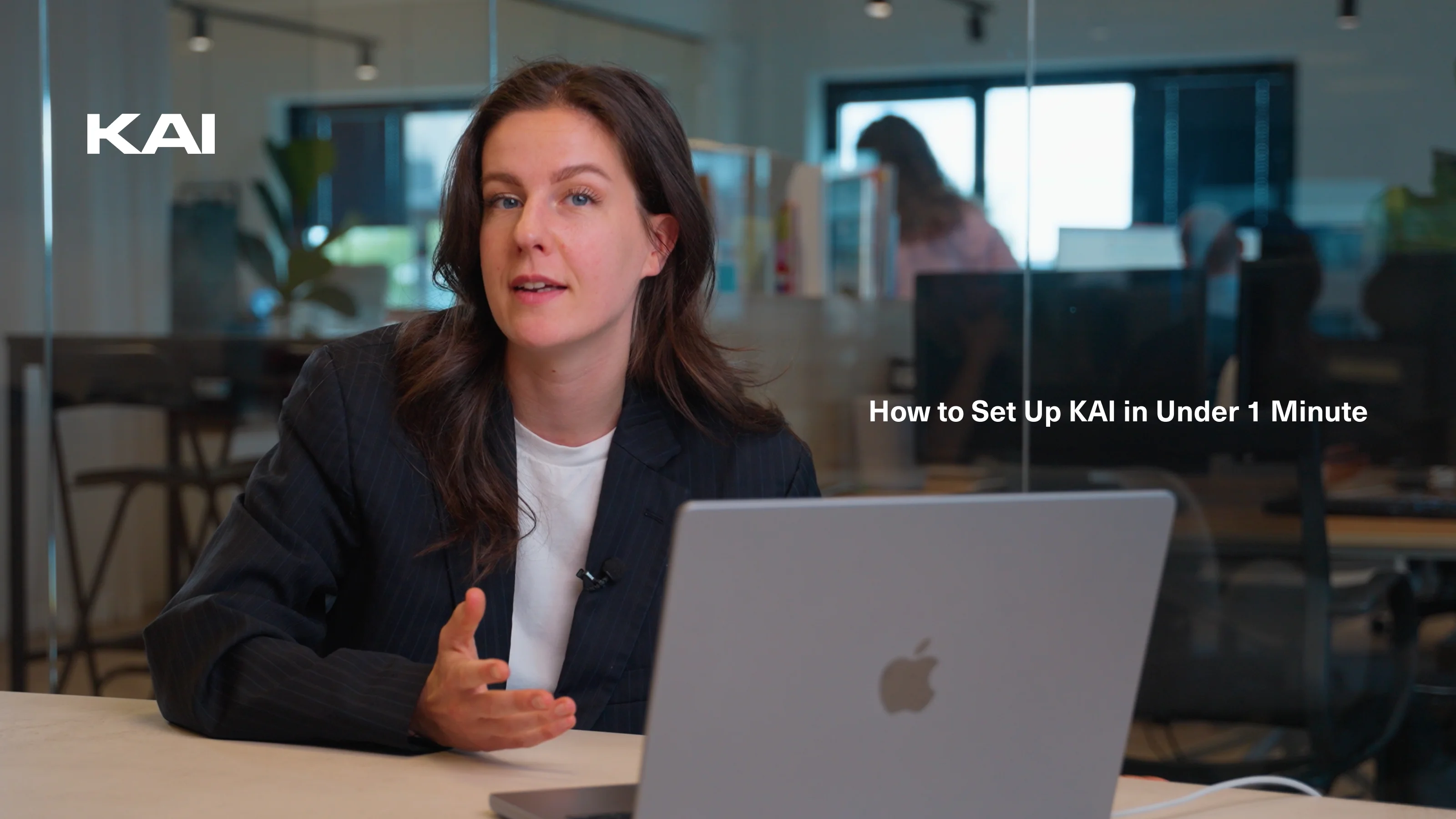
KAI, developed by AI Replies, represents this new approach to workplace technology.
Understanding the Fundamentals
Modern organizations operate within complex digital environments. Research suggests the average mid-sized company now uses more than 100 SaaS applications, with employees interacting with several of them throughout the day.
While each system provides value individually, the lack of coordination between platforms introduces operational friction.
Employees frequently act as the connectors between tools.
They copy information between systems.
They compile updates from multiple dashboards.
They manually trigger workflows that span several applications.
This coordination work often happens quietly in the background of daily operations.
Yet studies show that knowledge workers spend up to 23 hours per week on repetitive coordination tasks rather than strategic work.
A productivity cockpit addresses this challenge by centralizing how employees interact with workplace systems.
Key Strategies for Success
Organizations implementing AI productivity cockpits typically focus on three essential capabilities.
Unified System Access
Employees interact with a single environment that retrieves information from multiple platforms simultaneously.
Workflow Automation
Routine operational steps, such as gathering updates, generating reports, or coordinating approvals are handled automatically.
Contextual Intelligence
The system understands how teams work and can assist users without requiring complex instructions.
KAI integrates these capabilities into a unified workspace where tools, knowledge, and workflows operate as part of a connected system.
Real-World Applications
Consider a department leader preparing a weekly operational review.
Traditionally, this process might require retrieving metrics from analytics dashboards, reviewing updates from project management tools, and summarizing recent discussions.
With a productivity cockpit, these steps occur automatically. The system gathers relevant insights from connected platforms and prepares a structured overview.
Instead of manually compiling information across tools, employees receive a unified view that supports faster decision-making.
The Future of Coordinated Work
As digital ecosystems continue to grow, organizations need smarter ways to manage complexity.
AI productivity cockpits represent a shift from fragmented tool management to unified system coordination.
KAI was designed to support this transition by acting as an intelligent layer between employees and the many tools they rely on.
The goal is not to replace software but to ensure that it works together seamlessly.
When systems finally coordinate themselves, teams can focus on what matters most: building, creating, and solving meaningful problems.